
01
Slide movement
Your piece slides in the input direction and stops just before a wall or boundary.
If no tile can be moved, input is ignored (no move/time penalty)
A route-design puzzle where you cannot stop freely. Plan stopping points, clear all spots, then stop on the exit.
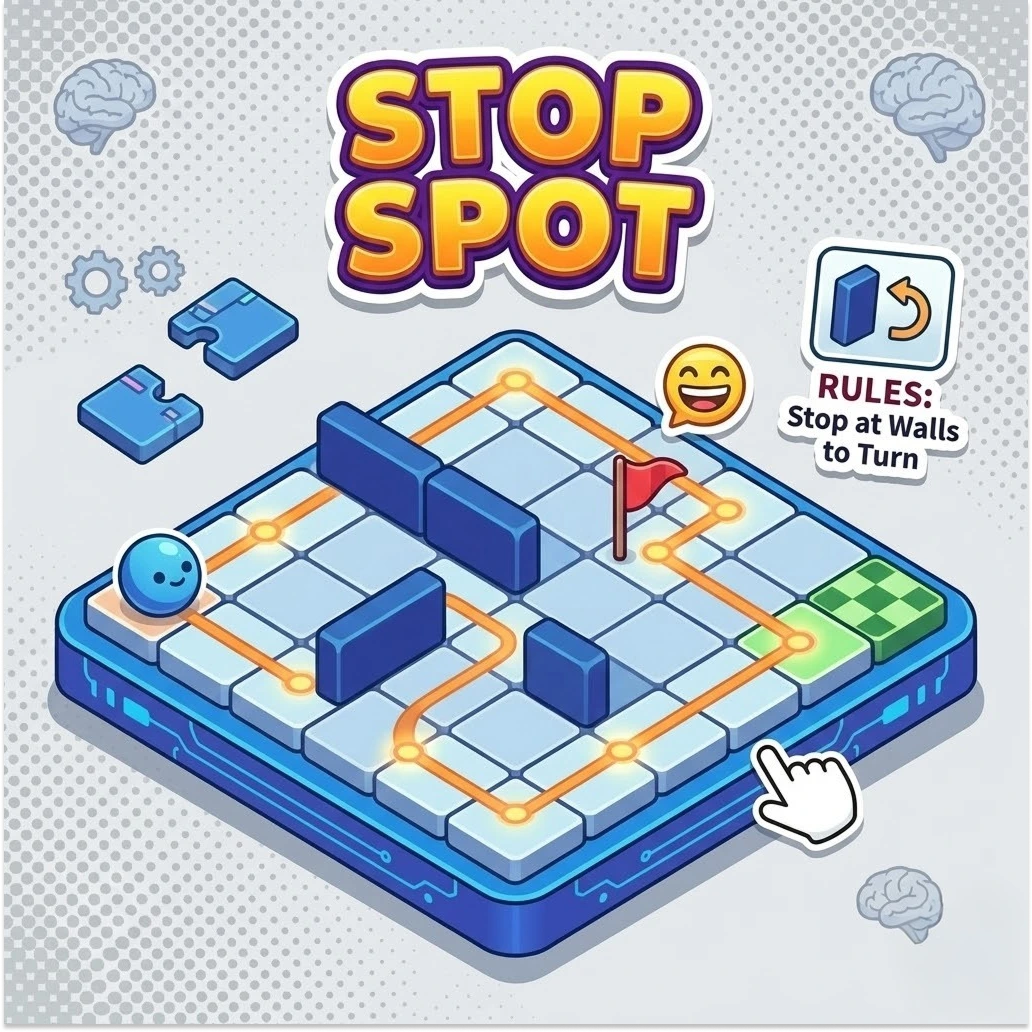
Stop Spot is a route puzzle built around slide movement: once you move, you cannot stop until hitting a wall or boundary. Spots count only when you stop on them, not when you pass through. Clear all spots and then stop on the exit to finish. Higher levels increase grid size and spots while reducing wall density, making stops harder to control.
Your piece slides in the input direction and stops just before a wall or boundary.
A spot is counted only when you stop on it. Passing through does not count.
You clear only when all spots are done and you stop on Exit.
Plan your stop graph first, then collect all spots with minimal detours.
99 stages total. Every 11 stages, the level increases.
| Level | Stages | Grid | Spots | Wall density |
|---|---|---|---|---|
| 1 | 1–11 | 6×6 | 0–2 | 16% |
| 2 | 12–22 | 7×7 | 1–3 | 15% |
| 3 | 23–33 | 8×8 | 2–4 | 14% |
| 4 | 34–44 | 9×9 | 3–5 | 13% |
| 5 | 45–55 | 10×10 | 4–6 | 12% |
| 6 | 56–66 | 11×11 | 5–7 | 11% |
| 7 | 67–77 | 12×12 | 6–8 | 10% |
| 8 | 78–88 | 13×13 | 7–9 | 9% |
| 9 | 89–99 | 14×14 | 8–10 | 8% |
Quickly reading stoppable cells and switching direction trains processing speed.
Keeping future stop points and remaining spots in mind strengthens working memory.
Reasoning backward from wall/boundary stops to build an optimal route trains logic.
Suppressing unnecessary inputs and landing on precise stops trains control.
Choose a Time Attack
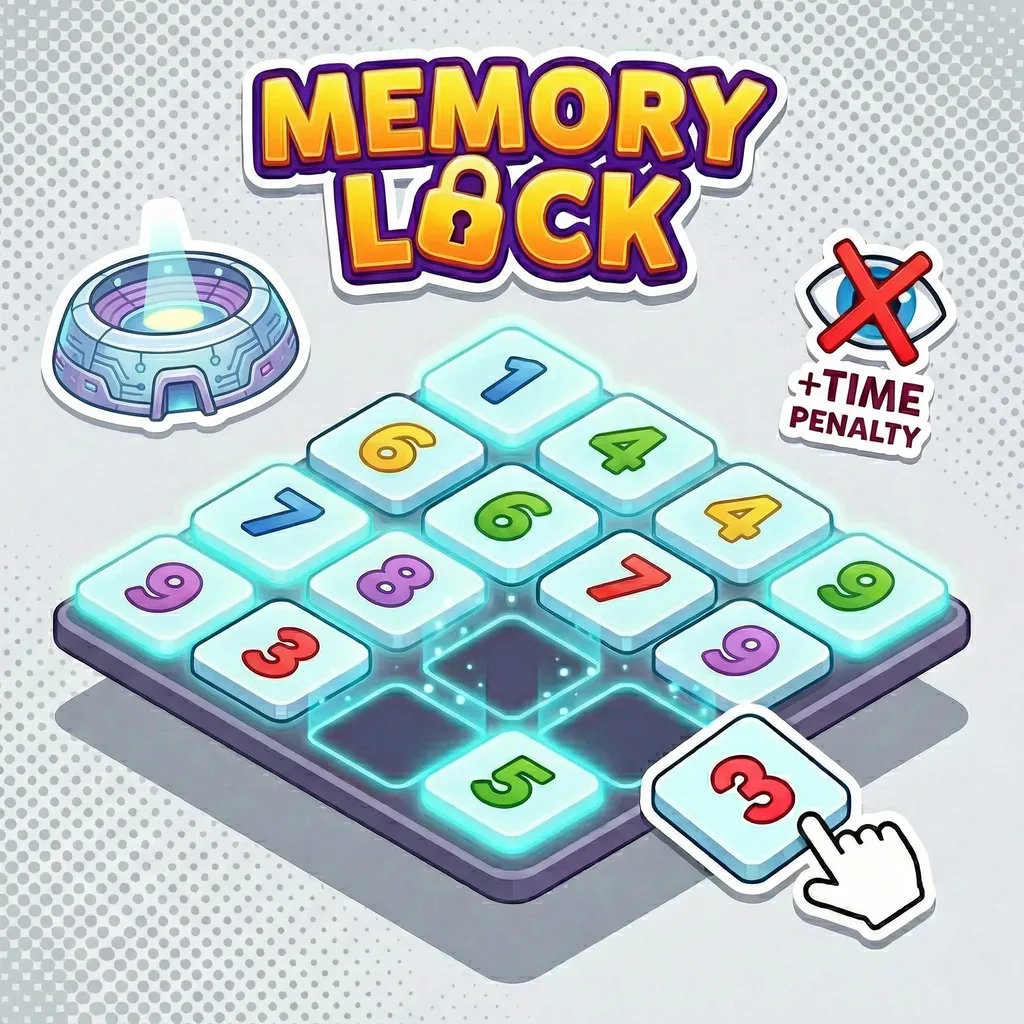
A concentration-style time attack shaped by 2-second flashes and miss penalties.
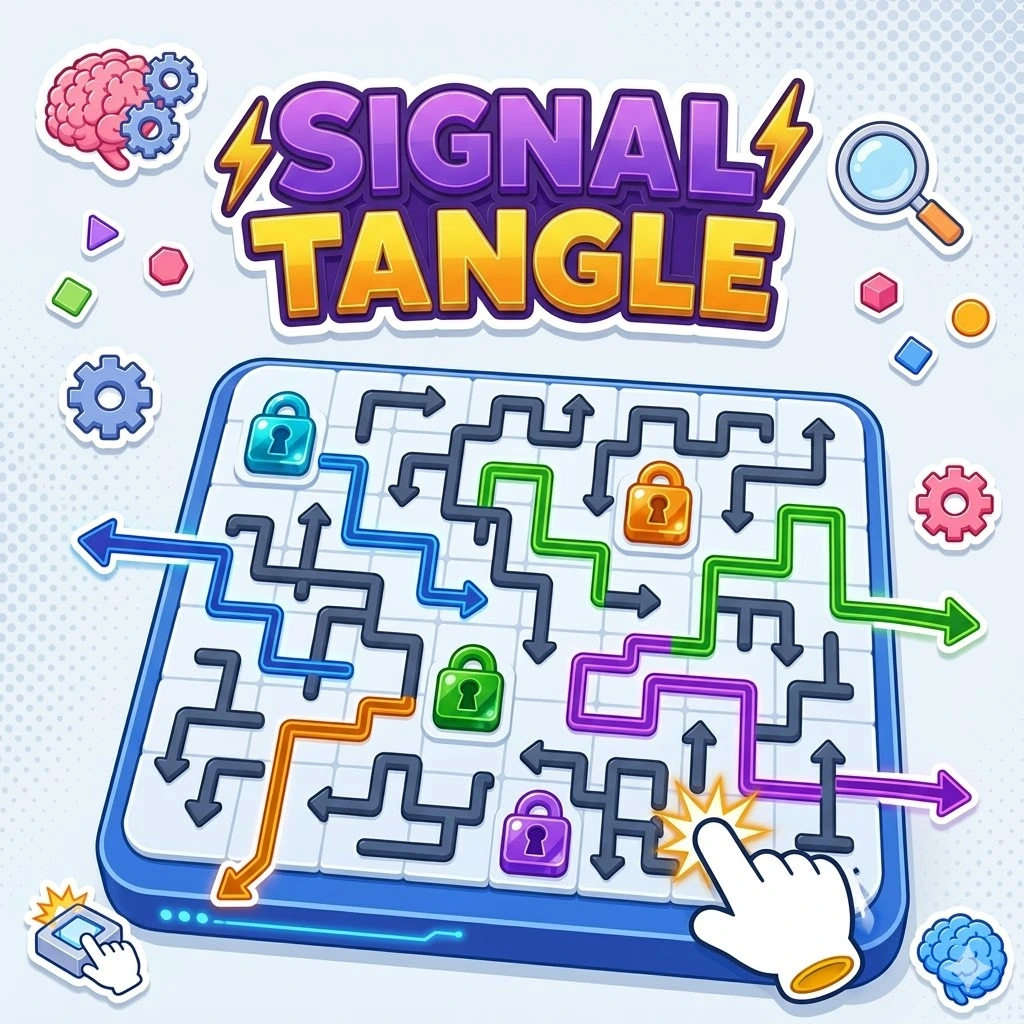
A logic-and-control time attack where you release tangled signal lines in the right order.
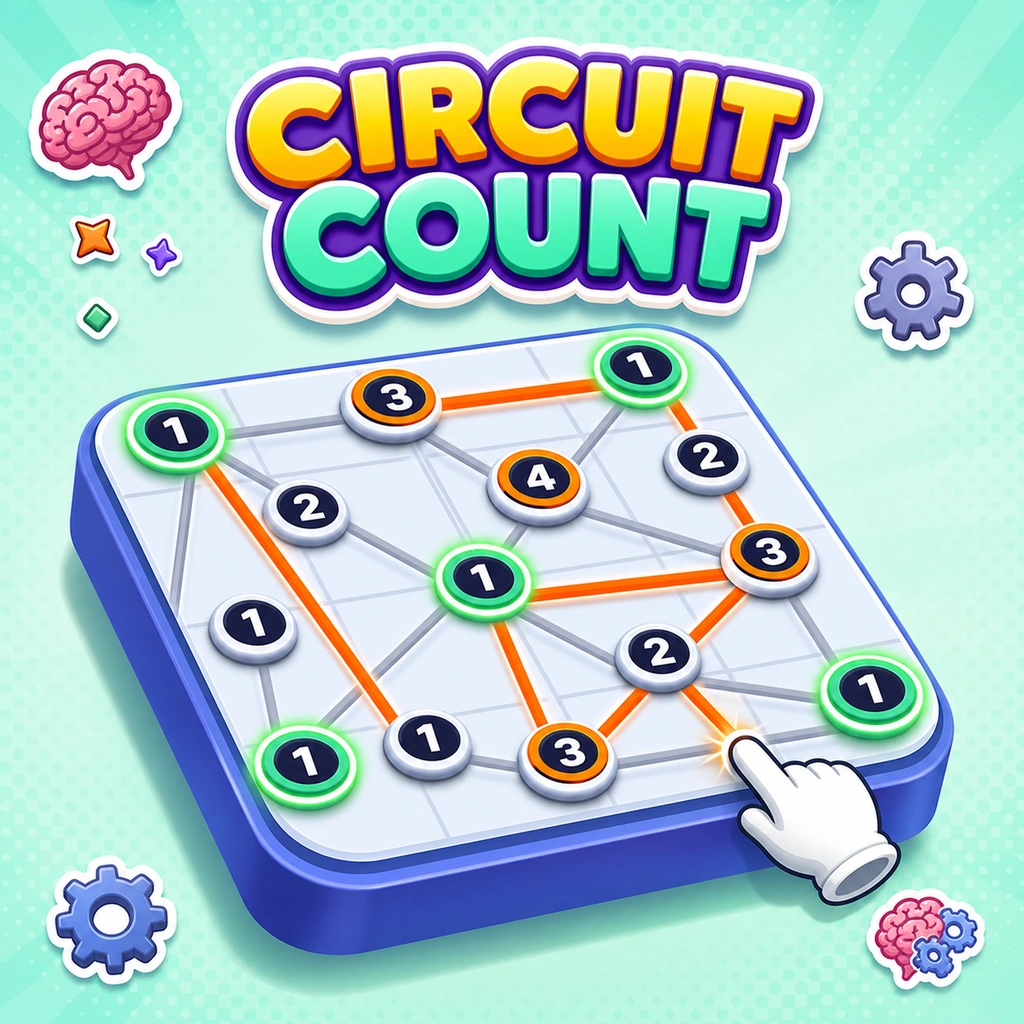
A logic puzzle where you choose only the needed connections from many candidate lines to satisfy numbered nodes.
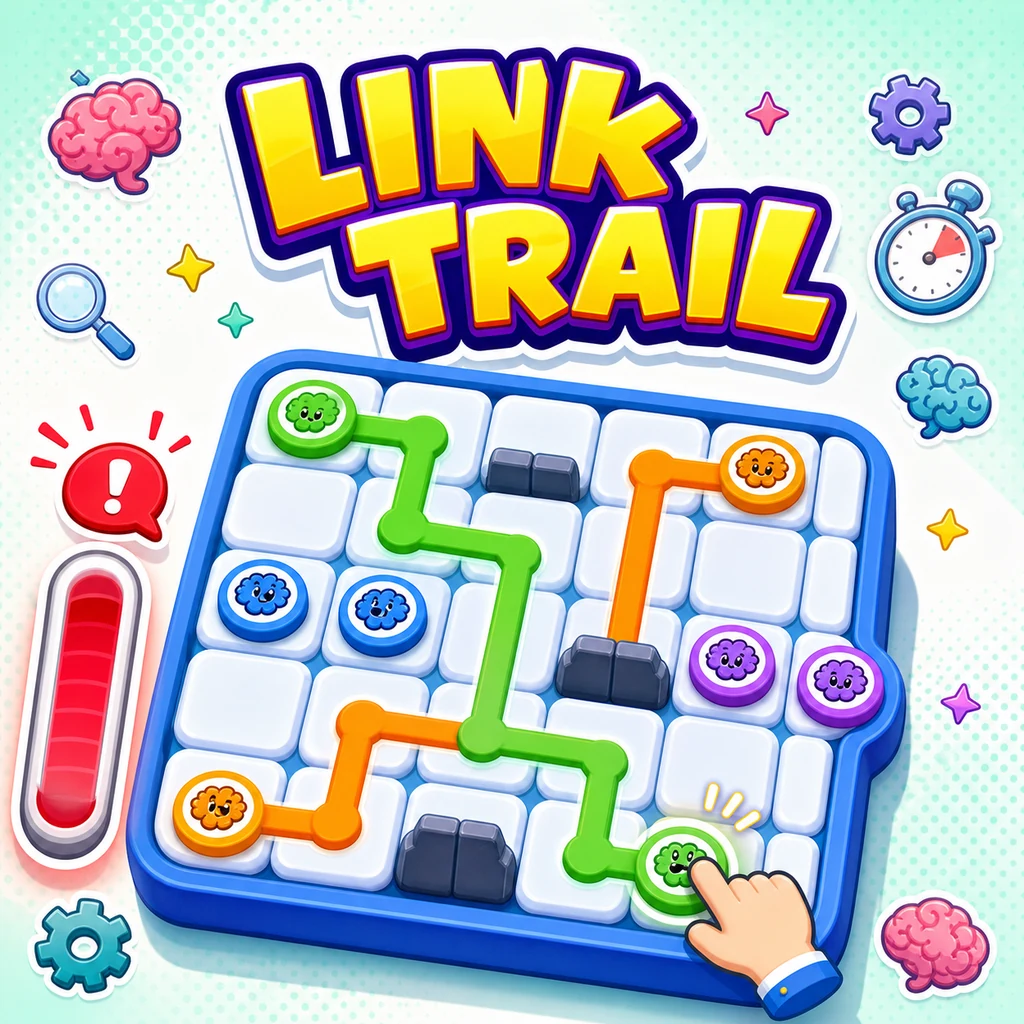
A path-drawing puzzle where you connect matching BrainType character pairs with trails that never cross.
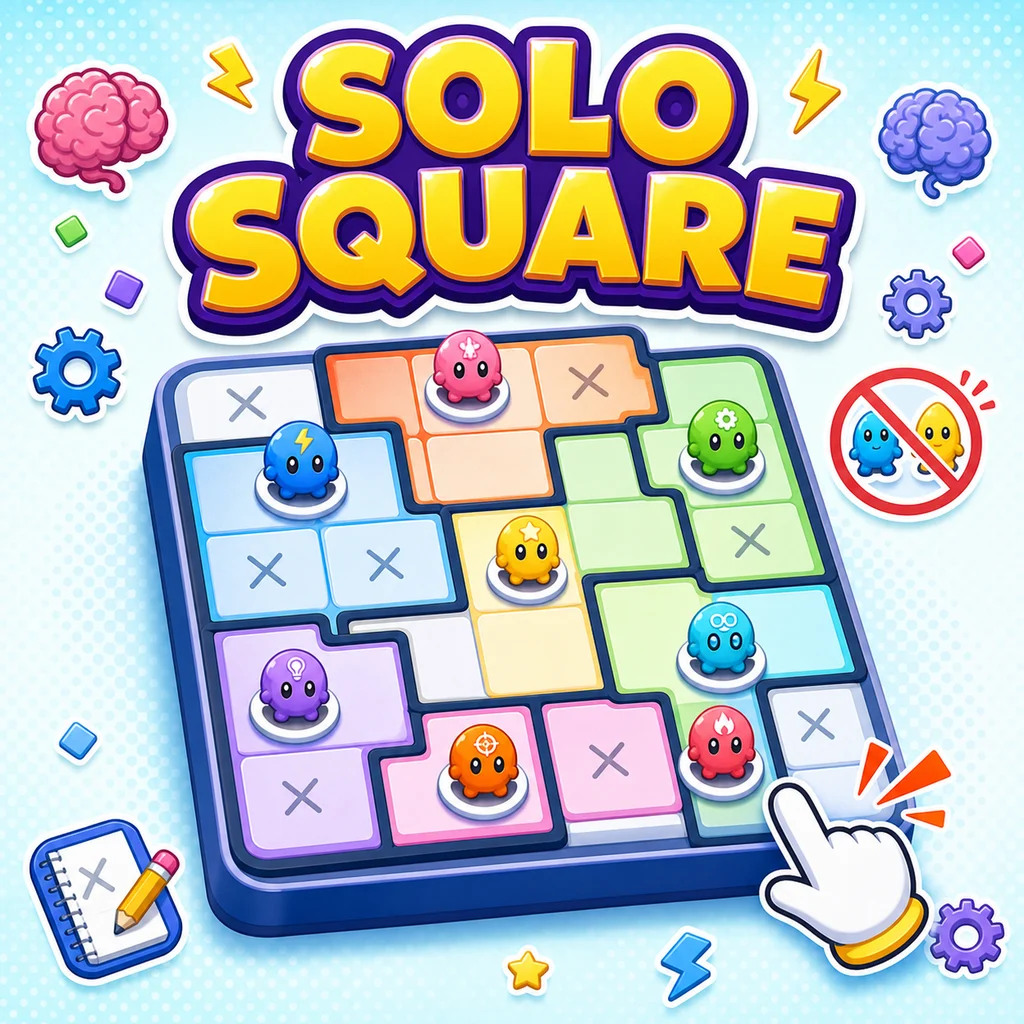
One chara per row, column and area. A logic puzzle of pure elimination — no two charas may touch.
A tactile speed puzzle. Move, rotate, and snap pieces together—your intuition and control become your time.
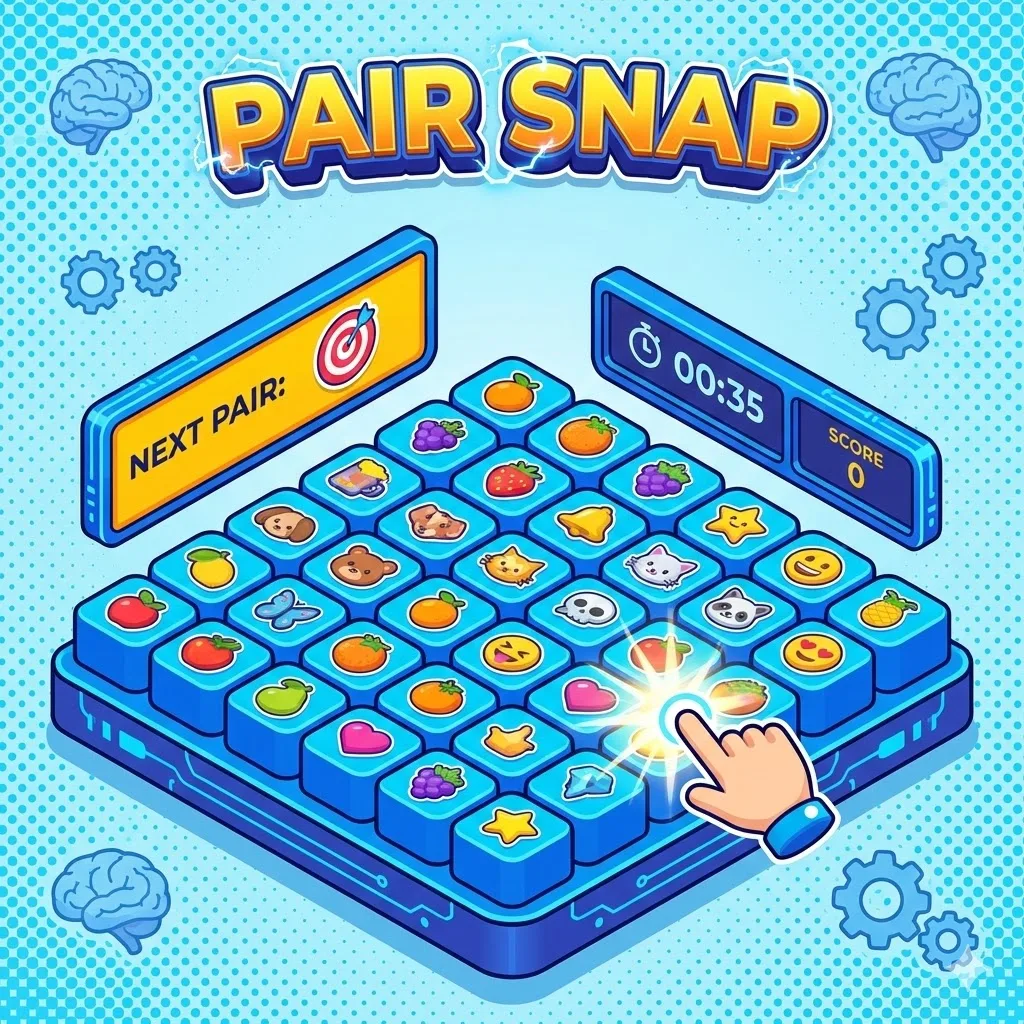
Clear matching pairs in the given order—speed and memory decide your time.
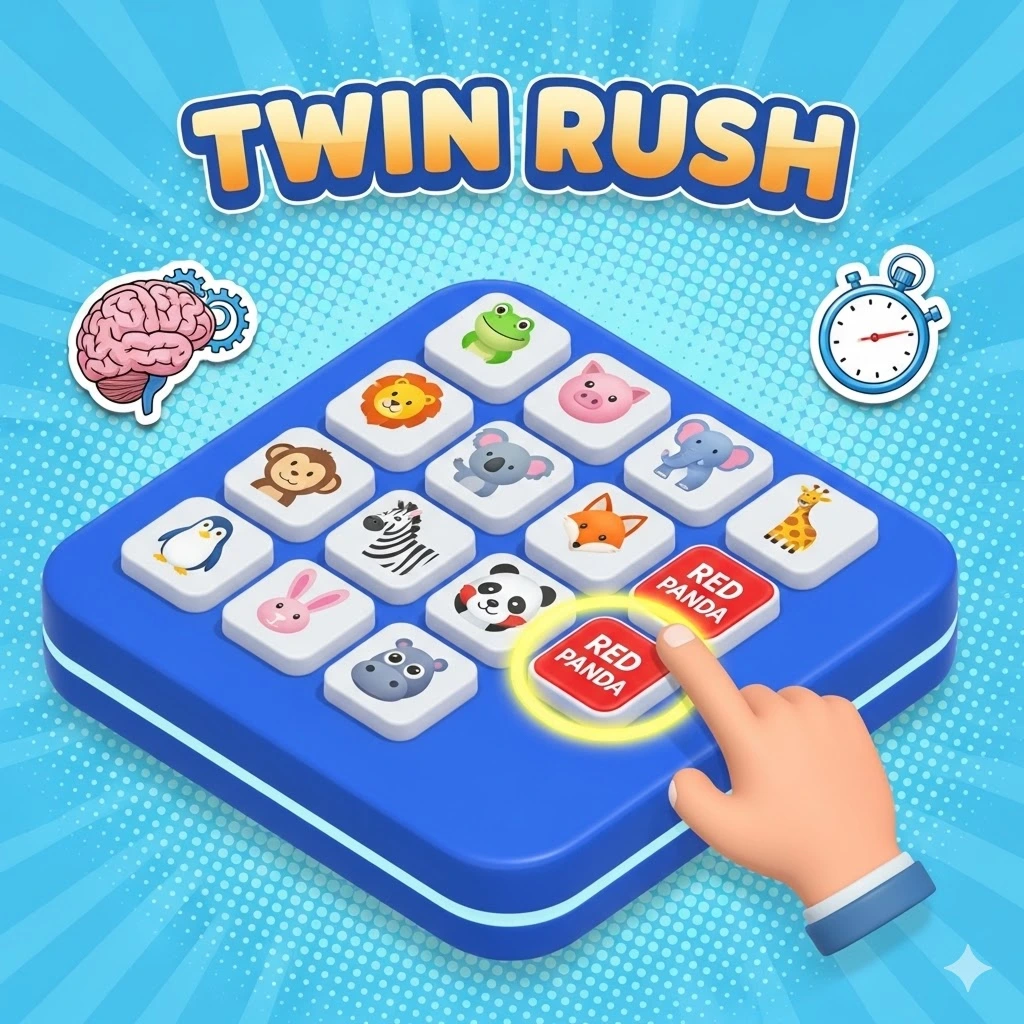
A visual-search speed event where you instantly spot the only identical pair hidden among many items.
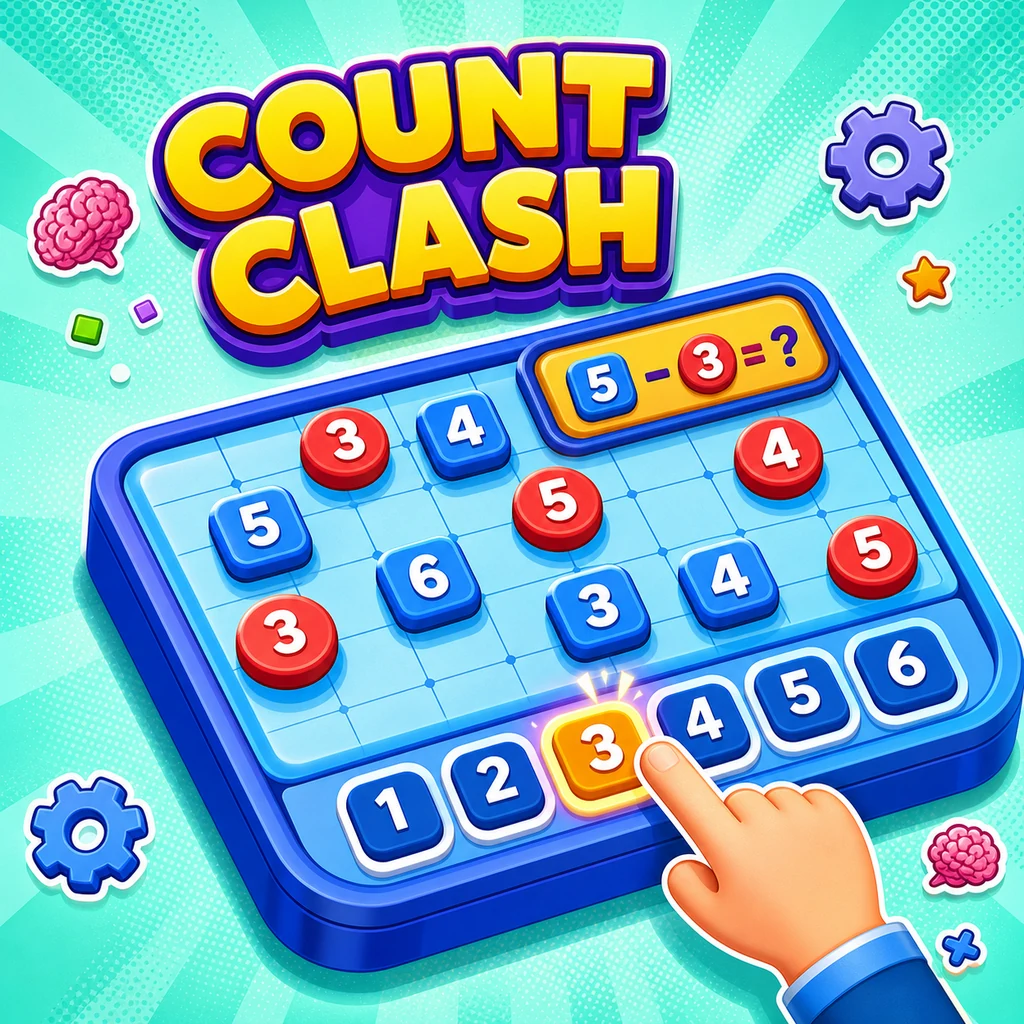
"4 4 4" — how many? A counting-Stroop time attack where you suppress reading the digit and answer with the count.
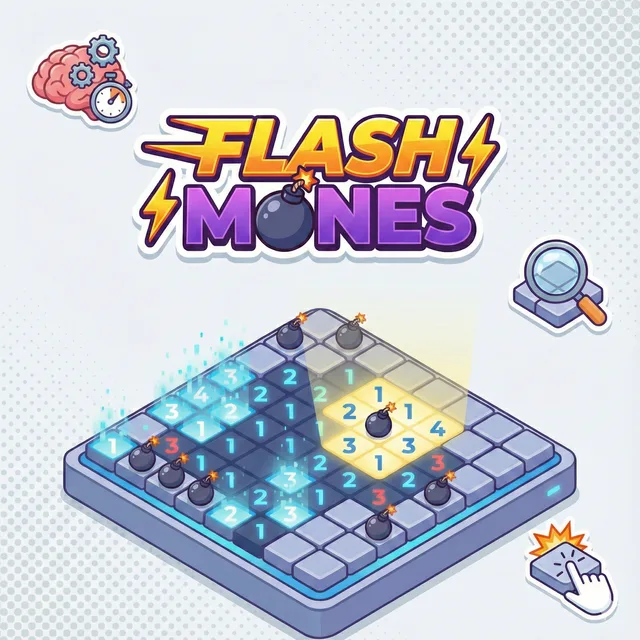
A fast-paced minesweeper-inspired cognitive game where numbers flash briefly. Memorize clues, deduce safe tiles, and clear the board.
Read these next to connect the full picture of cognitive measurement and training.