
How much can I try for free?
You can currently play for free. Try it casually first, then decide whether it fits you.
A round takes only a few minutes. It is a non-verbal brain training experience you can quickly try on mobile, without stopping at casual play.
Short sessions, free access, non-verbal design, and mobile support. The page leads with low friction while still keeping the deeper comparison and structure.
Easy to try even in a short break, with a first round that does not feel heavy.
You can play now without extra payment and decide later whether to keep going.
The games focus on reaction, memory, reasoning, and control rather than vocabulary.
Start on your phone during a commute or on your PC at home with the same core experience.
It is built for people who want to try it casually first and still understand what makes it different.
To make the first choice easier, here are three low-friction starting points. You can begin from memory, reasoning, or speed.
BEST START
If you like remembering
A memory game where you match pairs from short flashes. Each run is short and easy to grasp in your first few tries.
BEST START
If you like thinking ahead
A route puzzle where you work backward from stopping points. It is less rushed and makes the appeal of reasoning easier to feel.
BEST START
If you want quick rhythm
A speed-focused game where you clear pairs in order. It is easy to finish in minutes and suits people who want to try a few quick runs.
Start directly from any game. Each round only takes a few minutes, so you can try it casually first and then compare what makes the experience different.
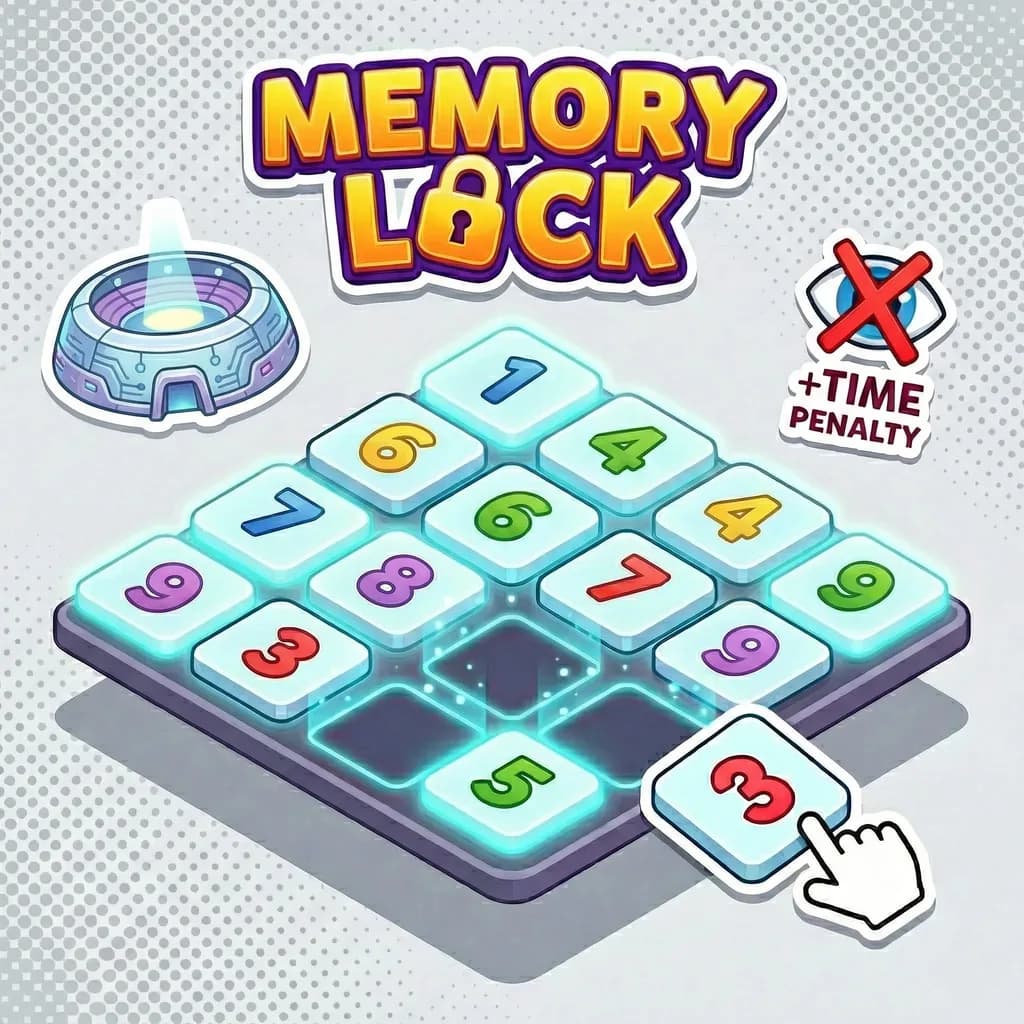
A concentration-style time attack shaped by 2-second flashes and miss penalties.
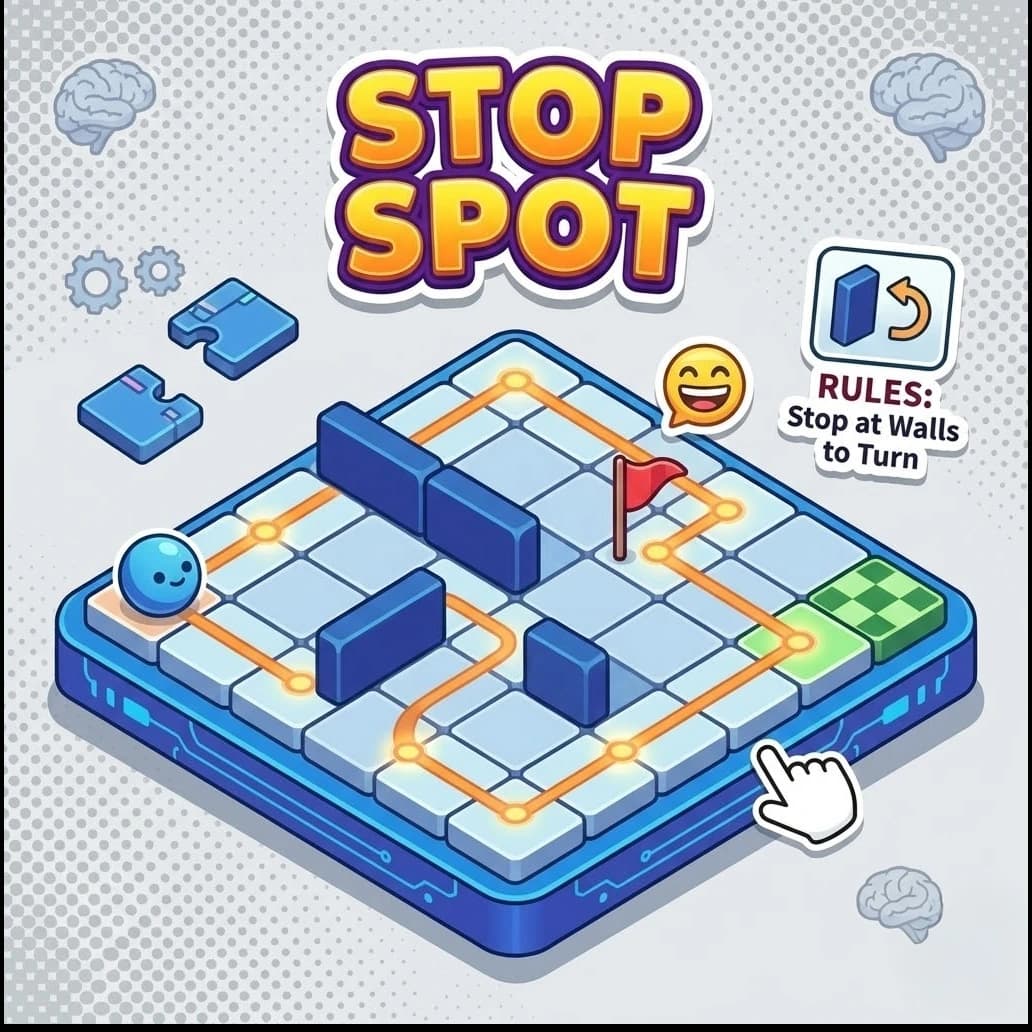
A route-design puzzle where you cannot stop freely. Plan stopping points, clear all spots, then stop on the exit.
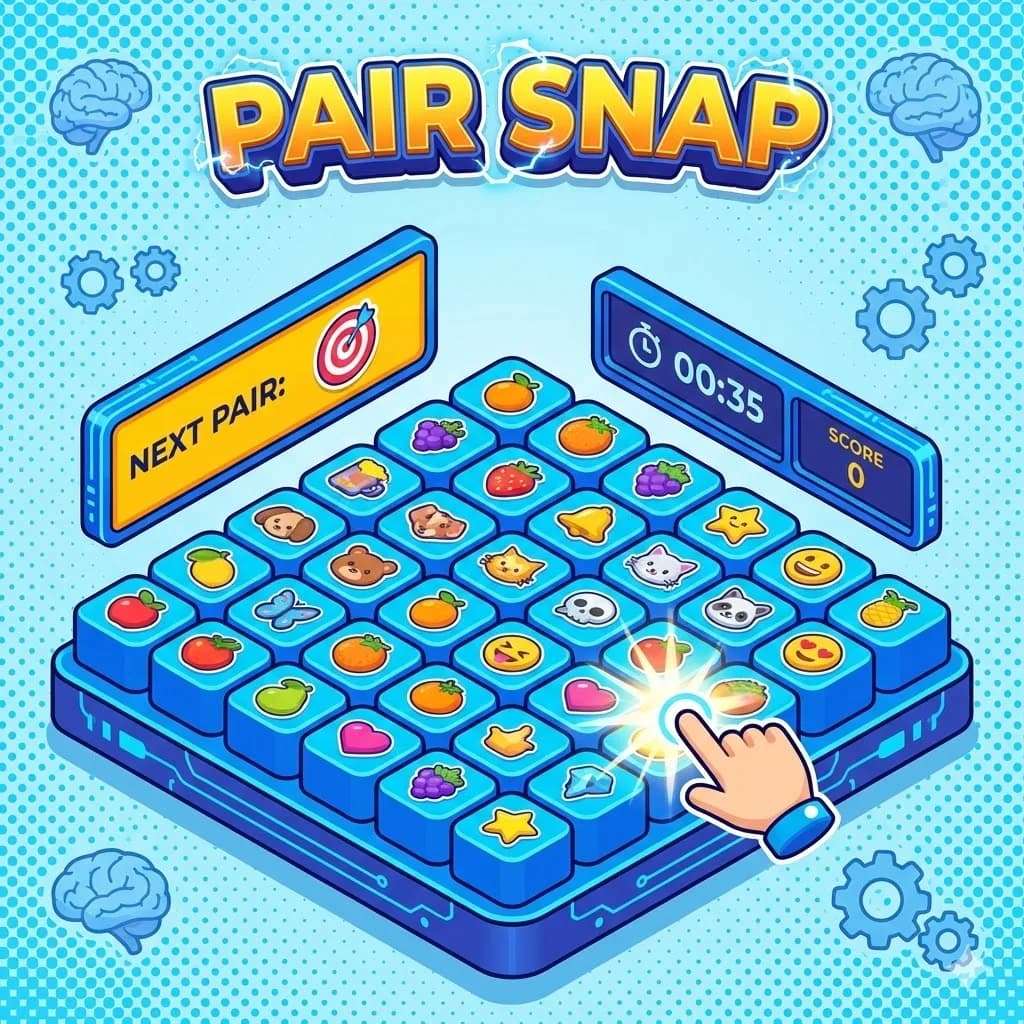
Clear matching pairs in the given order—speed and memory decide your time.
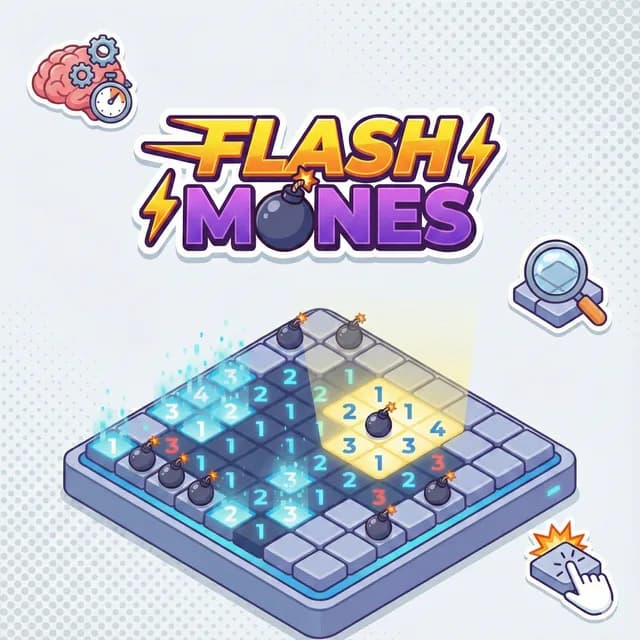
A fast-paced minesweeper-inspired cognitive game where numbers flash briefly. Memorize clues, deduce safe tiles, and clear the board.
These are the points people usually care about when they want something free, quick, and easy to try.
You can currently play for free. Try it casually first, then decide whether it fits you.
It begins from stage 1 and gets harder step by step. You are not expected to go all out from the first minute.
You can play on mobile or desktop. Since each round takes only a few minutes, it is easy to fit into a short break.
It is designed not to end as a light distraction, but to show differences and growth across four cognitive abilities.
Brain Arena is not a medical diagnosis. It aims to stay free and easy to start while still going beyond casual play through four-skill breakdowns, difficulty control, and standardized comparison.
Play vs Measurement
| Criteria | Typical training | Brain Arena |
|---|---|---|
| Ability definition | Vague | 4 abilities defined |
| Difficulty | Subjective | Scientific levels |
| Results | Score only | Standardized scores |
| Comparison | Self only | Global deviation |
| Purpose | Play/Habit | Measurement & competition |
There are conditions that must be met to make brain training a meaningful experience.
Make it clear which abilities are used (speed, memory, etc.).
Structure cognitive load in stages so training stays optimal.
Compare to averages and your past self with objective scores.
Brain Arena connects each round to four-skill balance, difficulty control, and standardized comparison. It is not a medical diagnosis; it is a competitive, trackable view of performance.
Yes. Brain Arena is currently playable for free. Stage progression and participation in the World Cup are also available with no additional fee.
Choose the game you want to play and challenge stages in order from stage 1. When you clear one, the next stage is unlocked.
Yes. Because the core tasks are mostly nonverbal, players can participate regardless of age or country. Later stages become significantly harder, so adults can also find strong challenge.
Fairness is one of Brain Arena’s most important design principles. All players compete on the same stages in the World Cup Payment does not affect competitive results Scores are standardized by level These keep a structure where ability is reflected correctly.
No, it is different from an IQ test. Brain Arena is not a medical diagnosis tool; it visualizes and gamifies cognitive ability as competition. It still includes overlapping domains such as reasoning, memory, and processing speed.
Many brain-training apps are designed for practice, but Brain Arena is designed as an actual competition format. It has a world tournament. Everyone competes on the same problems. Paying does not create a gameplay advantage. Abilities are visualized as measurable scores. Instead of vague training, Brain Arena is built to measure and prove performance.
Yes. It starts from stage 1 and gradually becomes more difficult. Early stages are intuitive, so no special knowledge is required.
Yes. You can replay cleared stages as many times as you want. Repeating helps you confirm growth and consistency.
Repeated play improves consistency and decision speed. However, Brain Arena is designed so that simple memorization alone will not be enough. As core processing ability becomes stable, it leads to long-term score improvement.
Depending on network conditions, play results may not be recorded correctly. Please use as stable a network as possible.
Read these next to connect the full picture of cognitive measurement and training.