
01
Easy to try quickly
The first run has a low time cost, so you can test memory right when you feel curious.
Compare flash recall, sequence memory, and memory-plus-reasoning here. Start with Memory Lock right away or open the game details first.
You want something quick, less clinical, and easy to try through play. This page is built for that search intent.
This is for people who want to test memory in a few minutes before reading long explanations or going through a heavy flow.
This page is easier to enter if you want to check memory through a game rather than a formal-looking diagnosis.
Memory is the entry point, but continuing can also show how it connects with the rest of your cognitive balance.
This is not a medical diagnosis. Through Brain Arena, you can try how you use memory for free through game-like play.
Use this page to compare flash recall, sequence memory, and memory-plus-reasoning. Memory Lock is the clearest first stop.
START HERE
See the main memory game first
Check the rules, extra-flash penalties, and difficulty before you play. Memory Lock is the clearest entry to flash recall and decision timing.
START HERE
If you want to test sequence memory
A speed task where you clear pairs in a required order. Good for seeing how well you keep sequence in mind.
START HERE
If you want memory plus reasoning
Remember briefly shown numbers, then infer safe tiles. A mixed task for memory and logic together.
Beyond Memory Lock, there are tasks that use sequence memory and short-term holding in different ways. You can compare them quickly.
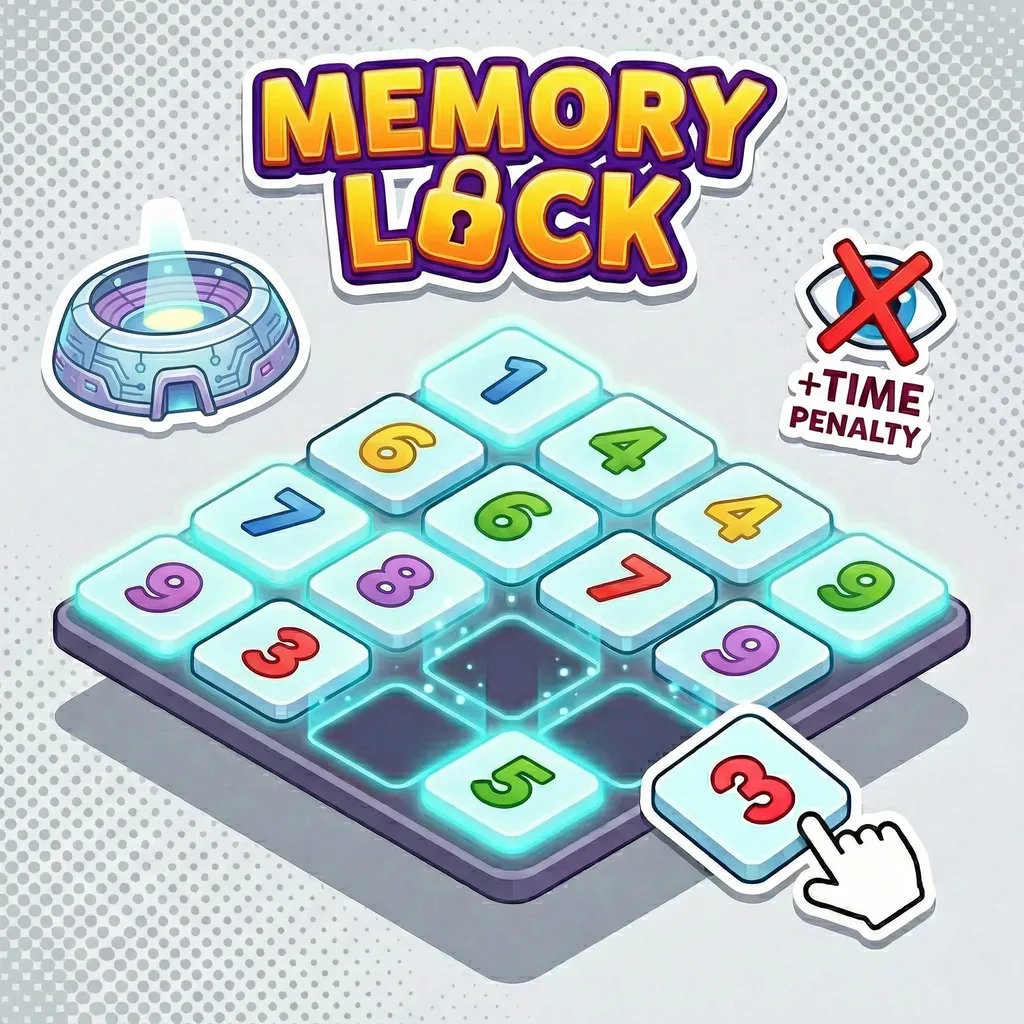
A concentration-style time attack shaped by 2-second flashes and miss penalties.
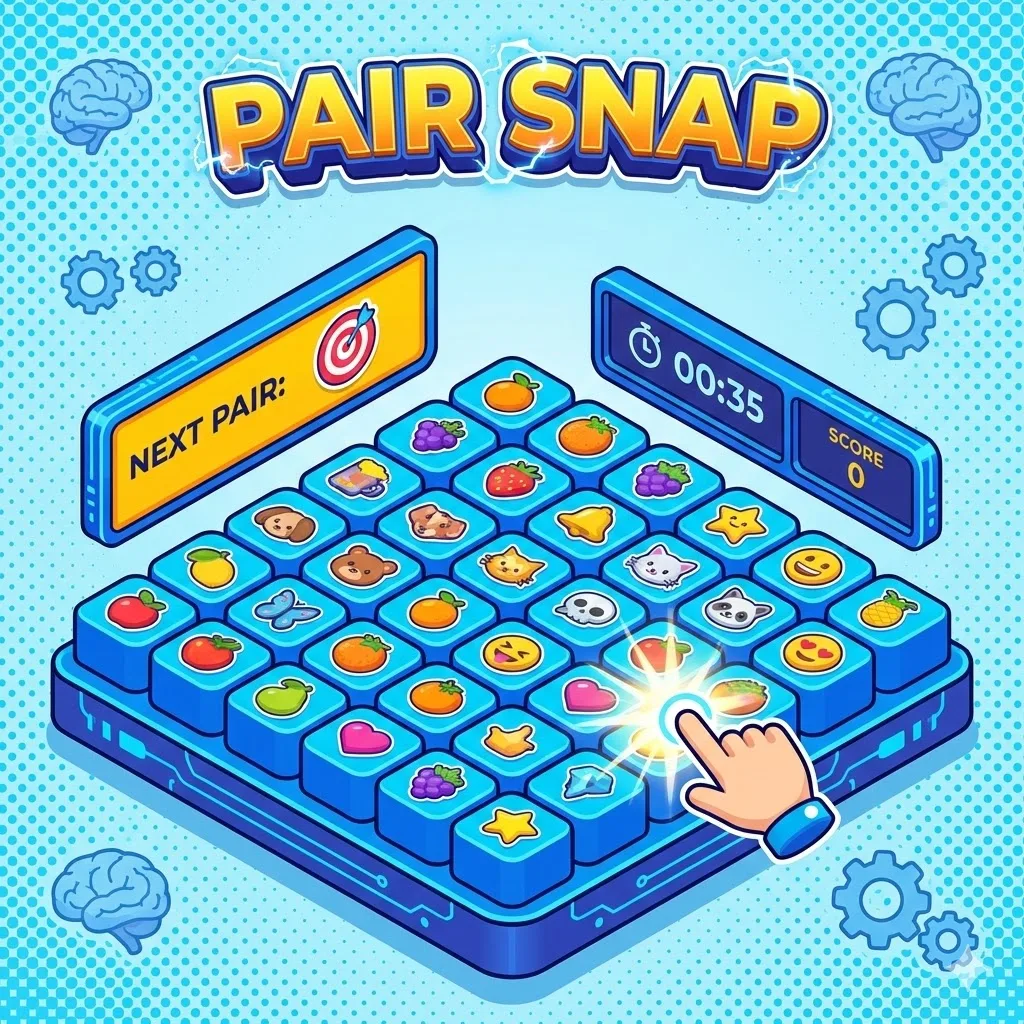
Clear matching pairs in the given order—speed and memory decide your time.
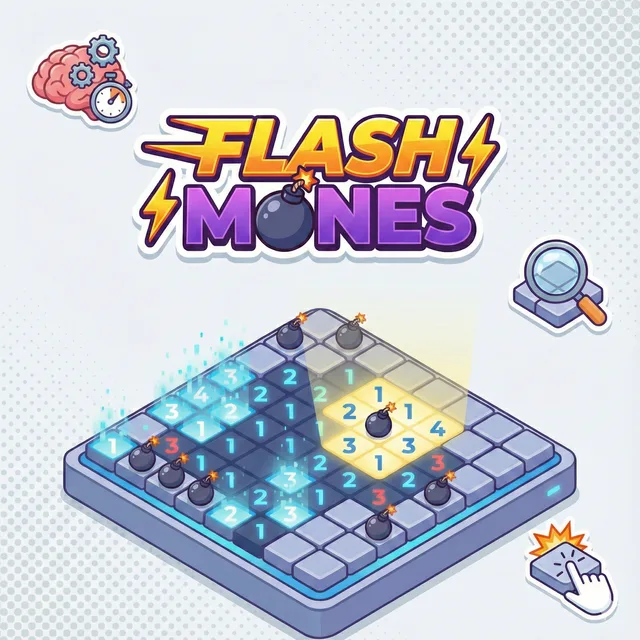
A fast-paced minesweeper-inspired cognitive game where numbers flash briefly. Memorize clues, deduce safe tiles, and clear the board.
It is easy to start in a few minutes, and the more you continue, the more clearly memory connects with your wider cognitive pattern.
The first run has a low time cost, so you can test memory right when you feel curious.
It relies more on seeing, remembering, and deciding than on reading lots of words.
If you keep going, you can also see how memory connects with other cognitive abilities.
In Brain Arena, MEMORY is the entry point, but you can also view balance against SPEED, LOGIC, and CONTROL. It is not a medical diagnosis, but a game-based experience for visualization and comparison.
These are the points people usually want to know before trying a free memory test.
Yes. You can currently play for free and start with Memory Lock to see whether the format fits you.
You can play on mobile or desktop. It is designed to be easy to start without a heavy app-style setup.
You can try short-term memory and order-holding through play. If you continue, it can also connect to how MEMORY appears within the four cognitive axes.
No. It is not a diagnosis itself. It is a game experience that helps make memory use and cognitive balance easier to visualize.
Brain Arena is not a medical diagnosis. It focuses on making memory easy to try first through short, non-verbal, mobile-friendly play.
Yes. Brain Arena is currently playable for free. Stage progression and participation in the World Cup are also available with no additional fee.
Choose the game you want to play and challenge stages in order from stage 1. When you clear one, the next stage is unlocked.
Yes. It starts from stage 1 and gradually becomes more difficult. Early stages are intuitive, so no special knowledge is required.
SPEED: the ability to judge and react quickly MEMORY: the ability to process while retaining information LOGIC: the ability to detect rules and structure CONTROL: the ability to suppress impulses and act accurately Each game is designed to use these abilities in different proportions.
No, it is different from an IQ test. Brain Arena is not a medical diagnosis tool; it visualizes and gamifies cognitive ability as competition. It still includes overlapping domains such as reasoning, memory, and processing speed.
Brain Arena is designed around nonverbal tasks. Its structure reduces gaps caused by language and culture. No adjustment is applied by age.
Read these next to connect the full picture of cognitive measurement and training.