
01
One per row, column & area
Place exactly one character in every row, every column and every bold-bordered area. Fill the board with no violations to clear the stage.
Basics
Areas are outlined with thick borders
One chara per row, column and area. A logic puzzle of pure elimination — no two charas may touch.
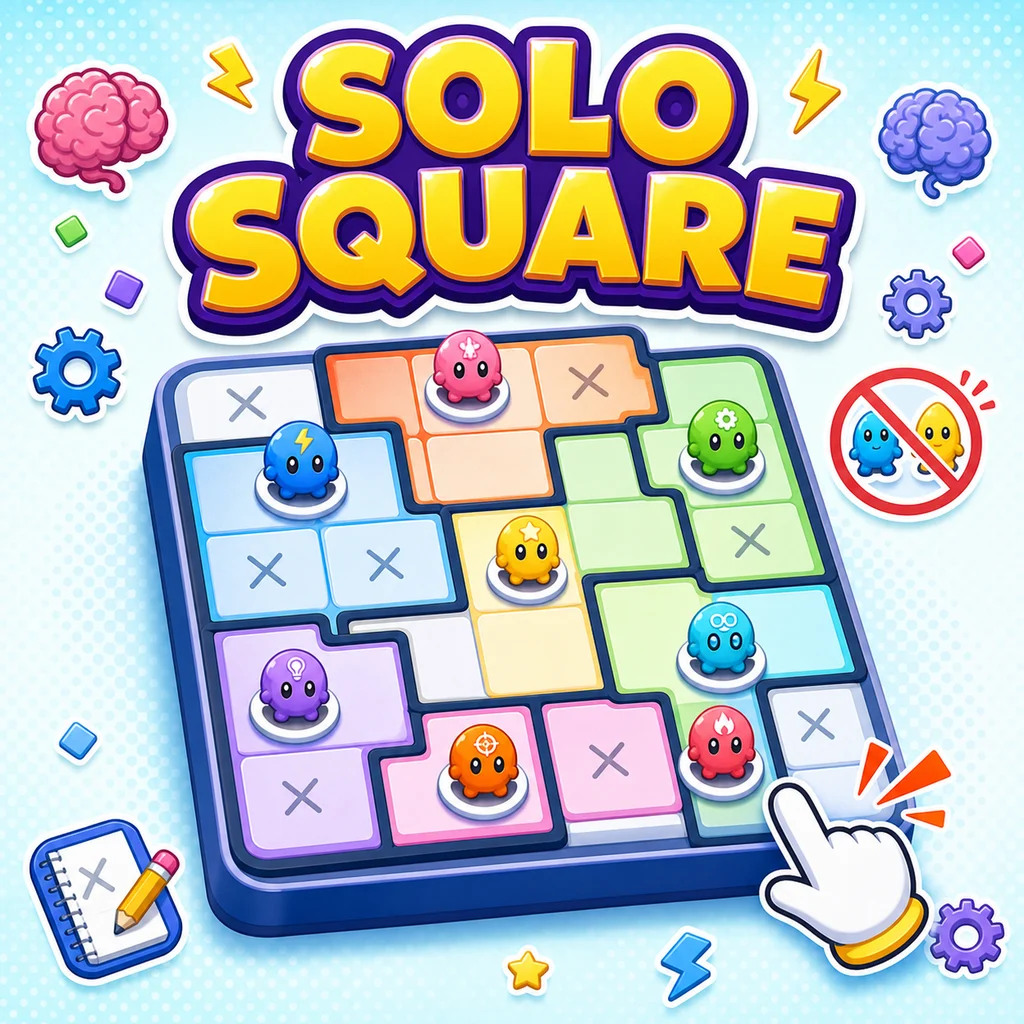
Solo Square is a logic puzzle where you place exactly one character in every row, every column and every bold-bordered area. Charas can never touch, not even diagonally. Mark impossible cells with × and deduce the single valid arrangement by elimination. Invalid placements turn red immediately and add +5 seconds to your total time. Boards are randomly generated every play with exactly one solution, growing from 4×4 to 9×9 as levels rise. Use the sample charas as clues and solve each board through deduction rather than guessing.
Place exactly one character in every row, every column and every bold-bordered area. Fill the board with no violations to clear the stage.
Charas can never sit next to each other — not vertically, horizontally or diagonally. Any contact within the surrounding 8 cells is a violation.
Charas marked with 🔒 are pre-placed in their correct spots as samples. They cannot be moved — use them as footholds to fill in the rest. Higher levels give fewer samples.
Tapping a cell cycles × → chara → empty. Mark cells you have ruled out with × to narrow down the candidates.
Placing a chara on a spot that breaks a rule turns it red on the spot and adds +5s to your total time. It is not a game over, but check before you place.
The Hint button auto-marks every cell that definitely cannot hold a chara with × and locks it. But each use adds a big +30s penalty — a last resort when you truly cannot solve it.
Your elapsed time to clear is your score. Boards are randomly generated every play and always have exactly one solution.
99 stages total. Every 11 stages, the level increases.
| Level | Stages | Grid | Charas | Deduction depth |
|---|---|---|---|---|
| 1 | 1–11 | 4×4 | 4 | Gentle |
| 2 | 12–22 | 5×5 | 5 | Gentle |
| 3 | 23–33 | 5×5 | 5 | Medium |
| 4 | 34–44 | 6×6 | 6 | Medium |
| 5 | 45–55 | 6×6 | 6 | Deep |
| 6 | 56–66 | 7×7 | 7 | Medium |
| 7 | 67–77 | 7×7 | 7 | Deep |
| 8 | 78–88 | 8×8 | 8 | Deep |
| 9 | 89–99 | 9×9 | 9 | Deep |
Scanning the whole board's constraints to spot the next forced cell trains processing speed.
You hold several row, column and area conditions in mind at once, which trains working memory.
Narrowing down where charas can and cannot go through step-by-step elimination trains logical reasoning.
You must resist placing on a hunch and proceed from confirmed cells, which trains decision control.
Choose a Time Attack
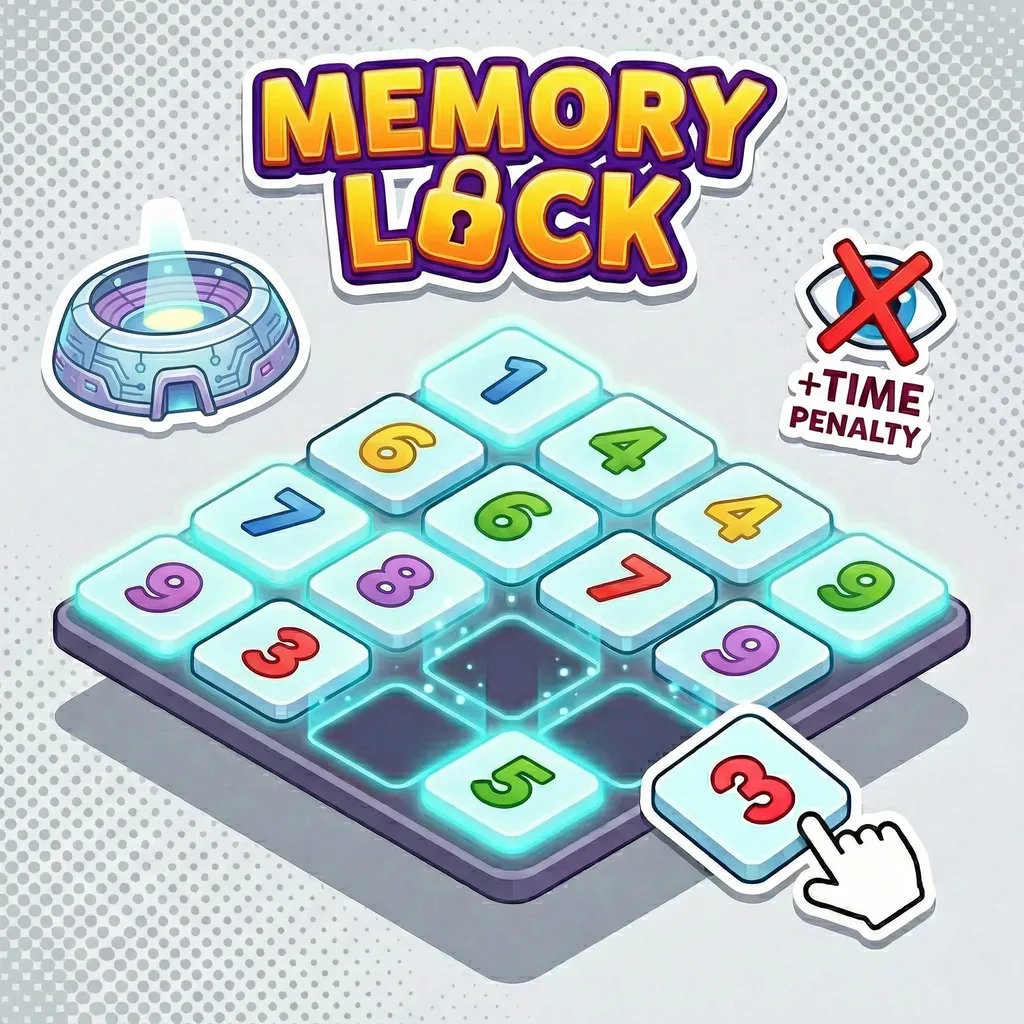
A concentration-style time attack shaped by 2-second flashes and miss penalties.
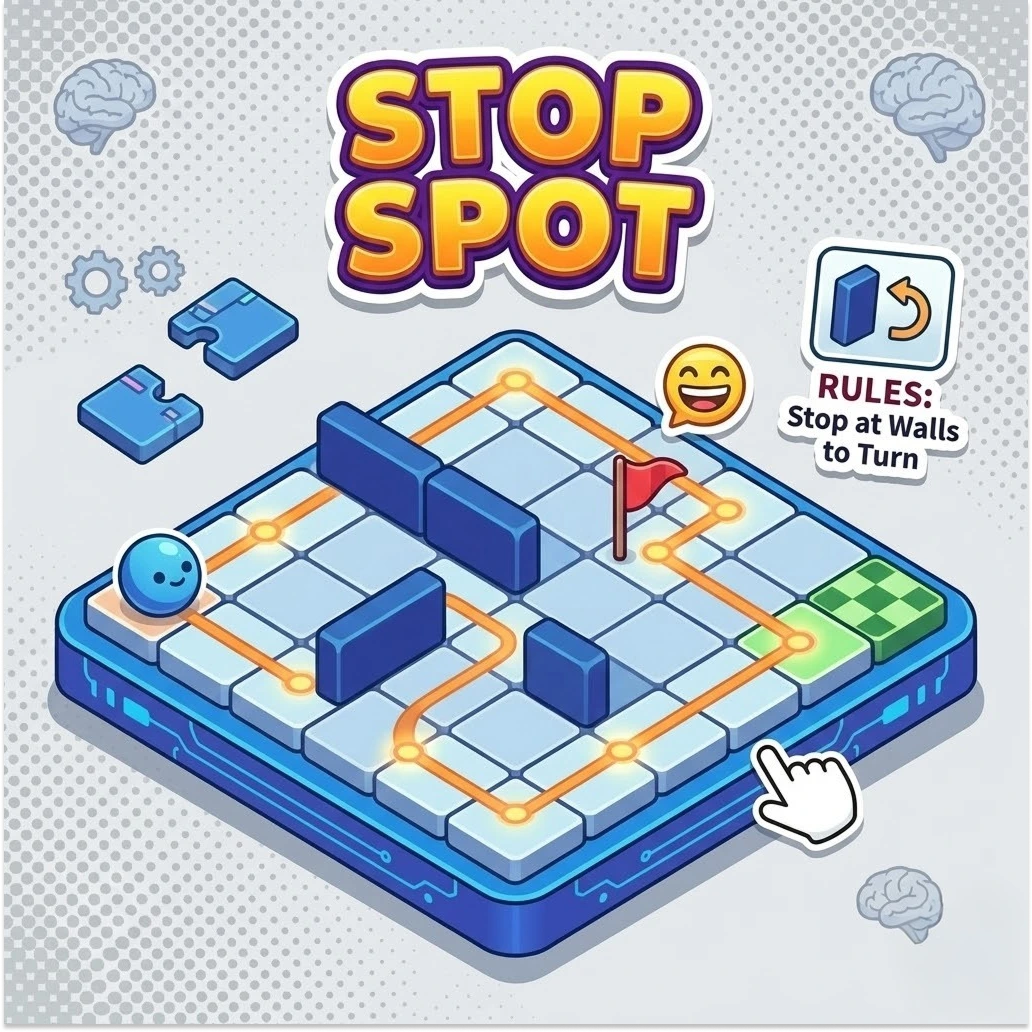
A route-design puzzle where you cannot stop freely. Plan stopping points, clear all spots, then stop on the exit.
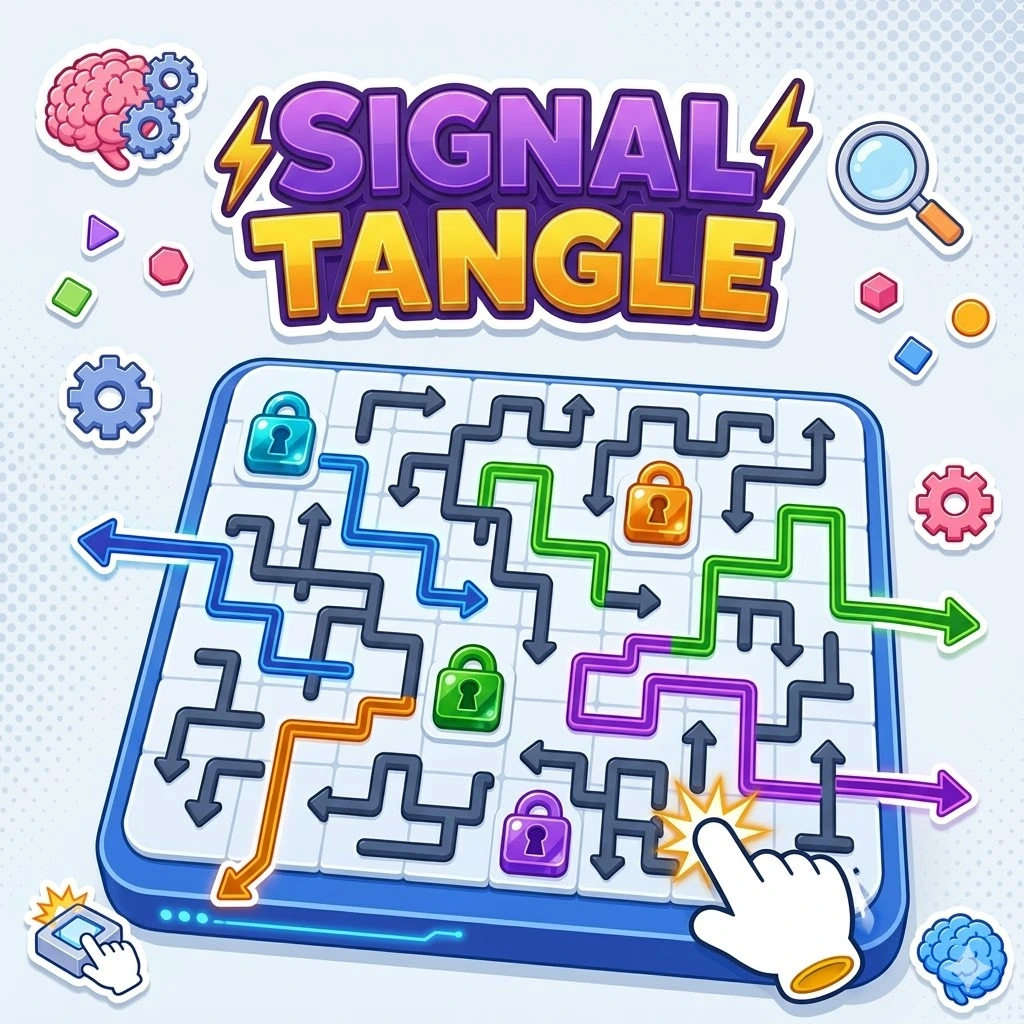
A logic-and-control time attack where you release tangled signal lines in the right order.
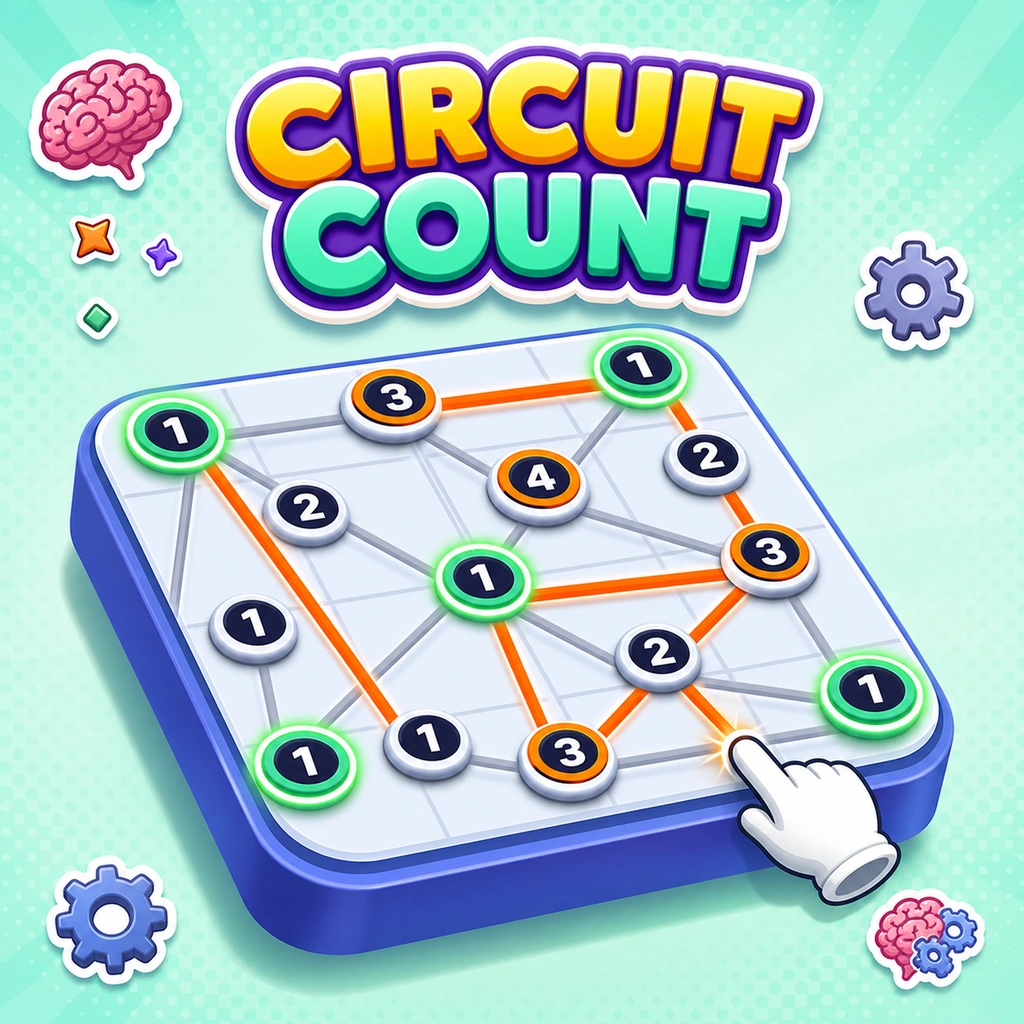
A logic puzzle where you choose only the needed connections from many candidate lines to satisfy numbered nodes.
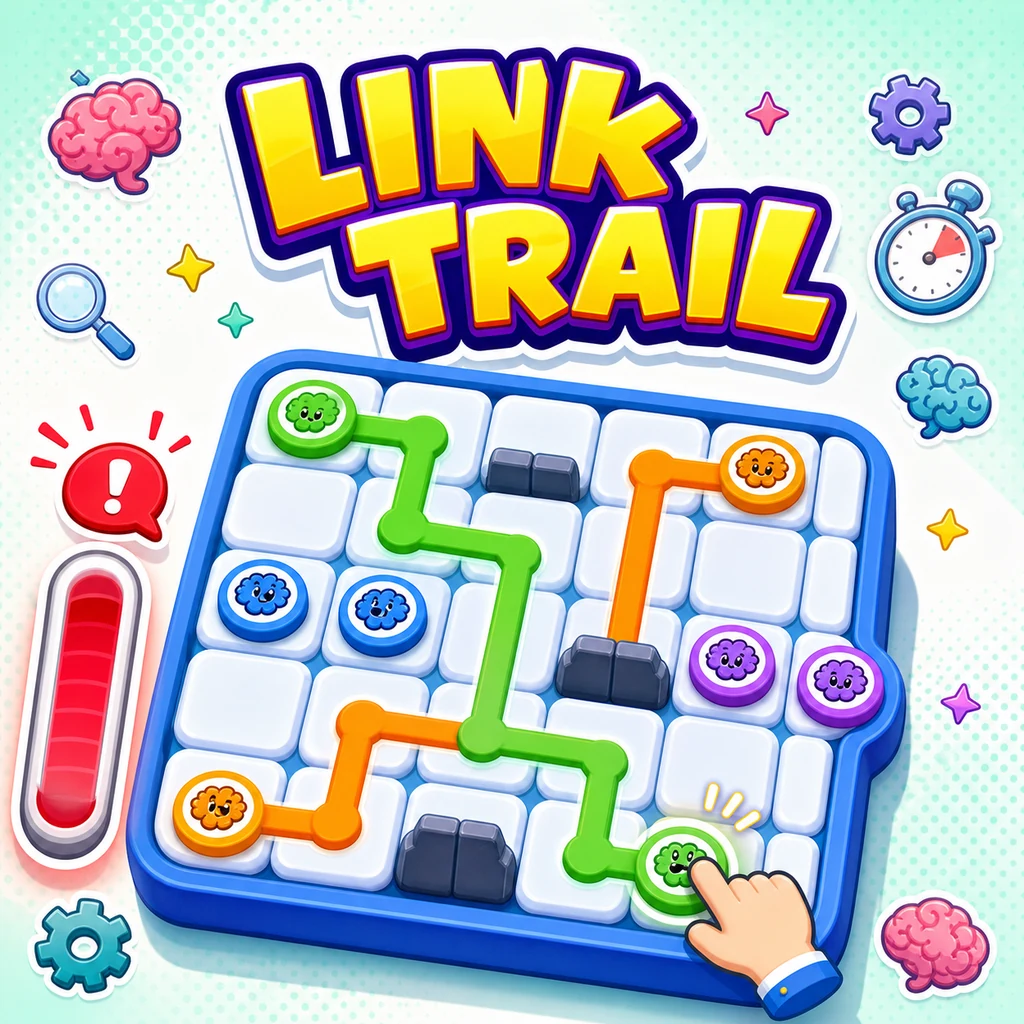
A path-drawing puzzle where you connect matching BrainType character pairs with trails that never cross.
A tactile speed puzzle. Move, rotate, and snap pieces together—your intuition and control become your time.
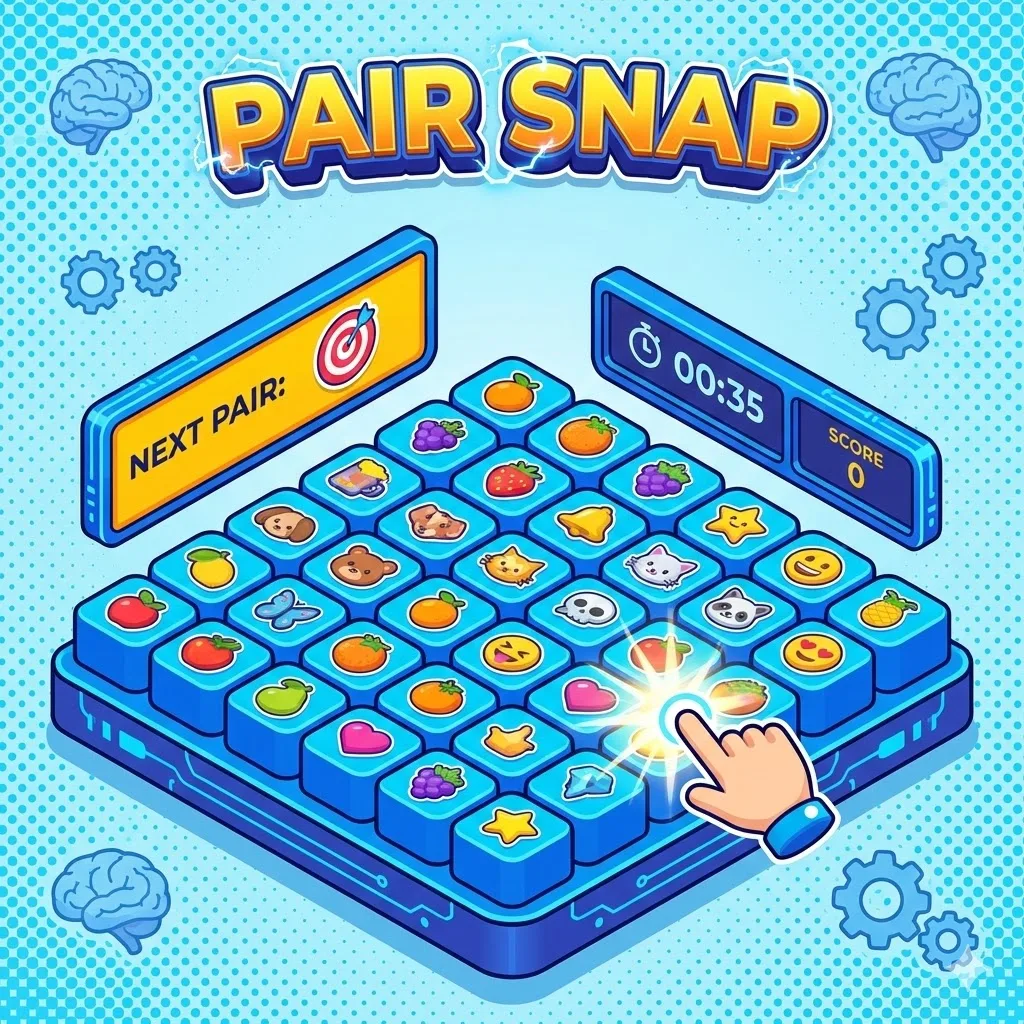
Clear matching pairs in the given order—speed and memory decide your time.
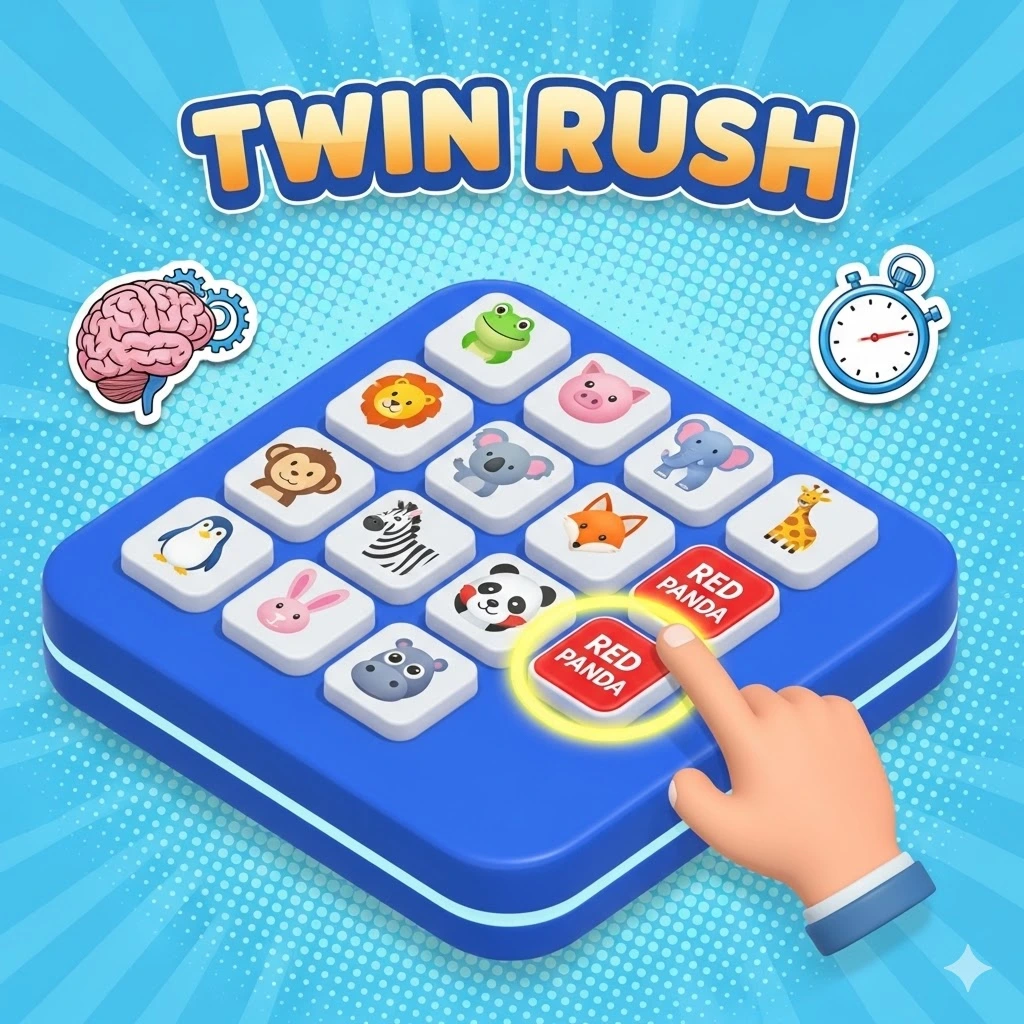
A visual-search speed event where you instantly spot the only identical pair hidden among many items.
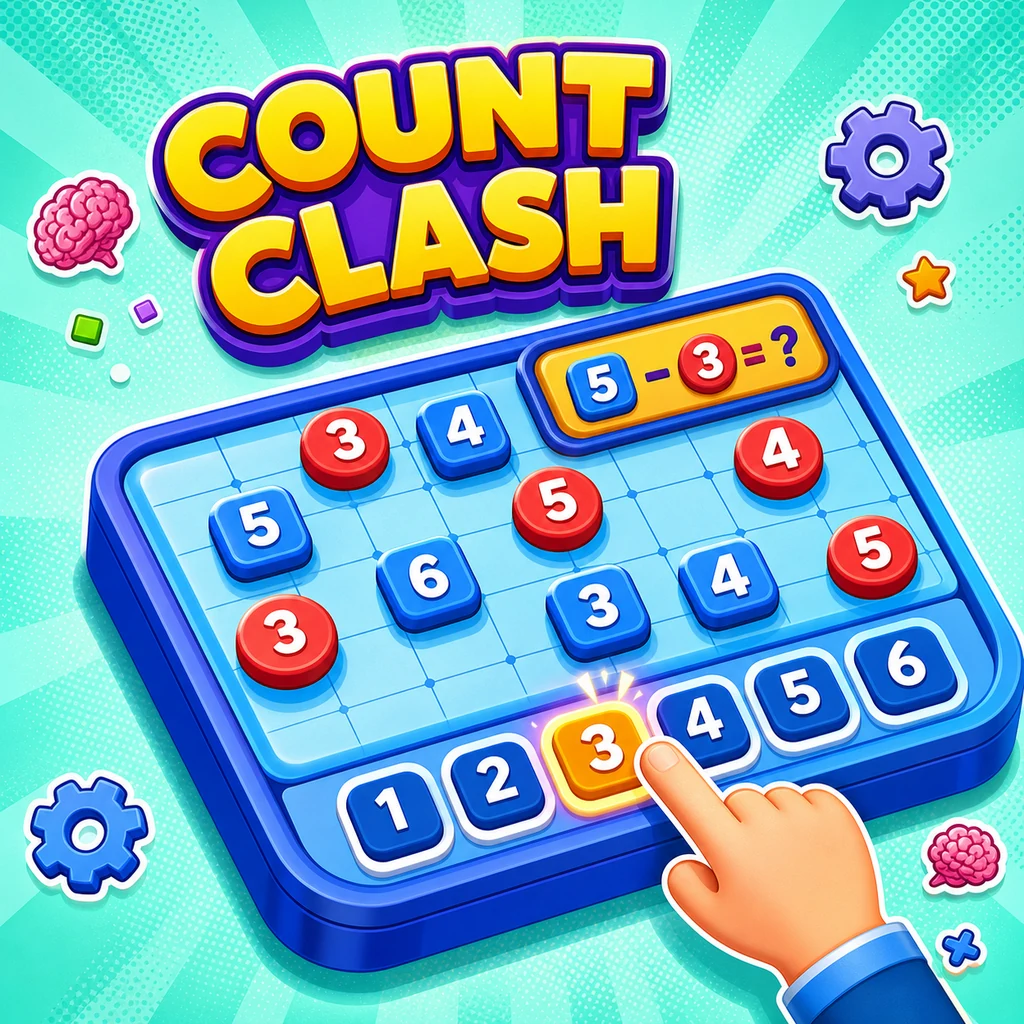
"4 4 4" — how many? A counting-Stroop time attack where you suppress reading the digit and answer with the count.
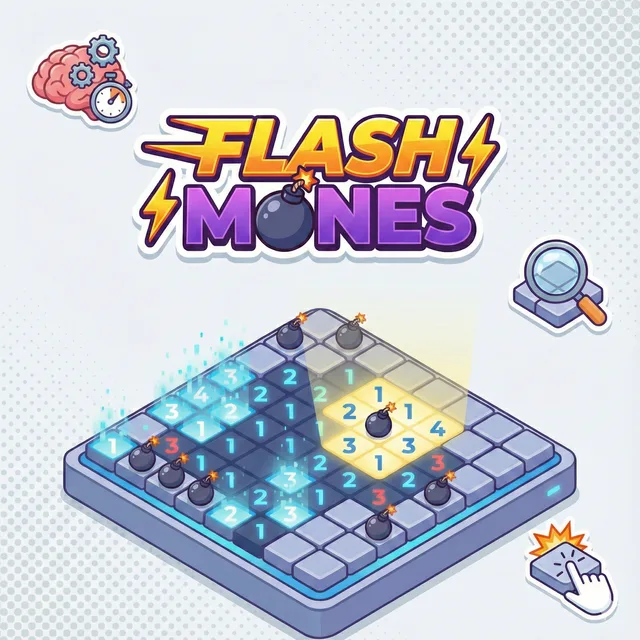
A fast-paced minesweeper-inspired cognitive game where numbers flash briefly. Memorize clues, deduce safe tiles, and clear the board.
Read these next to connect the full picture of cognitive measurement and training.